The Challenge
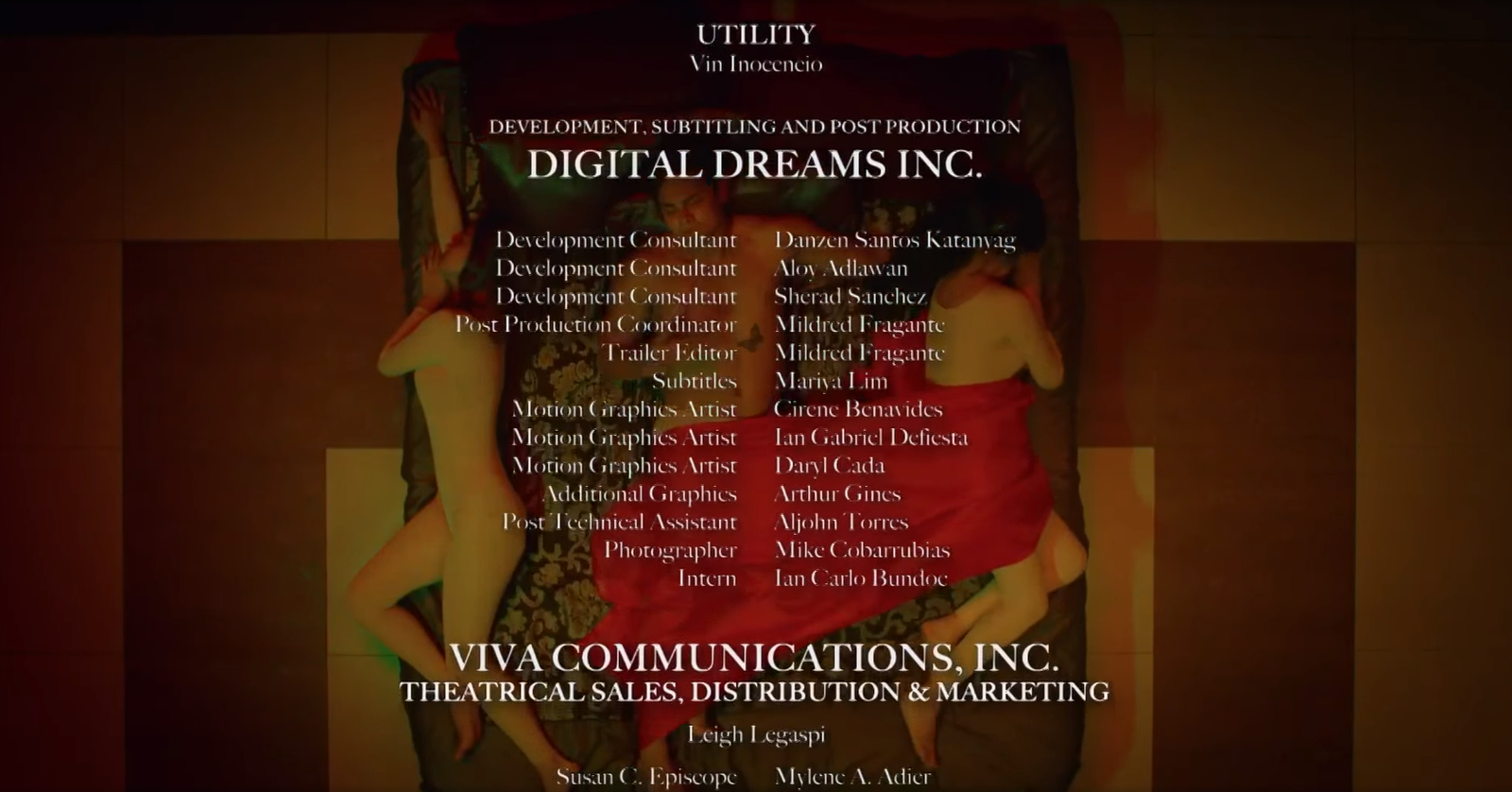
US x HER needed more than a polished edit. The film had to communicate a relationship shaped by online identity, social platforms, and digital communication without letting interface graphics overpower the performances. The post-production challenge was to make the digital layer feel emotionally connected to the story while keeping the film cinematic, readable, and cohesive.
The Creative Idea — Digital Intimacy Without Breaking the Film World
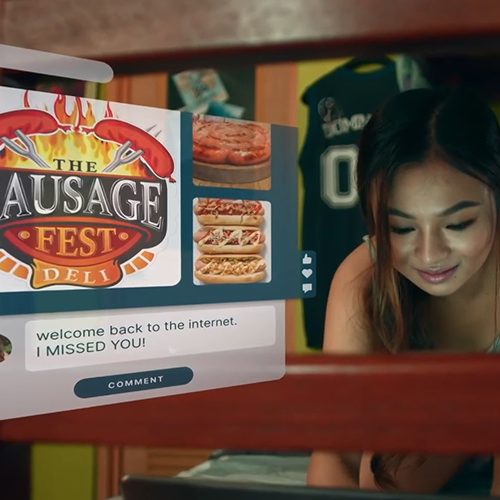
The central idea was to treat social interfaces, subtitles, and screen graphics as part of the characters' emotional environment rather than as ordinary UI overlays. Every graphic needed to feel native to the story: contemporary enough to suggest real online behavior, but restrained enough to preserve the performances and cinematography.
Creative principle: The digital layer supports the emotion; it never becomes the main character.
Building the Visual Language
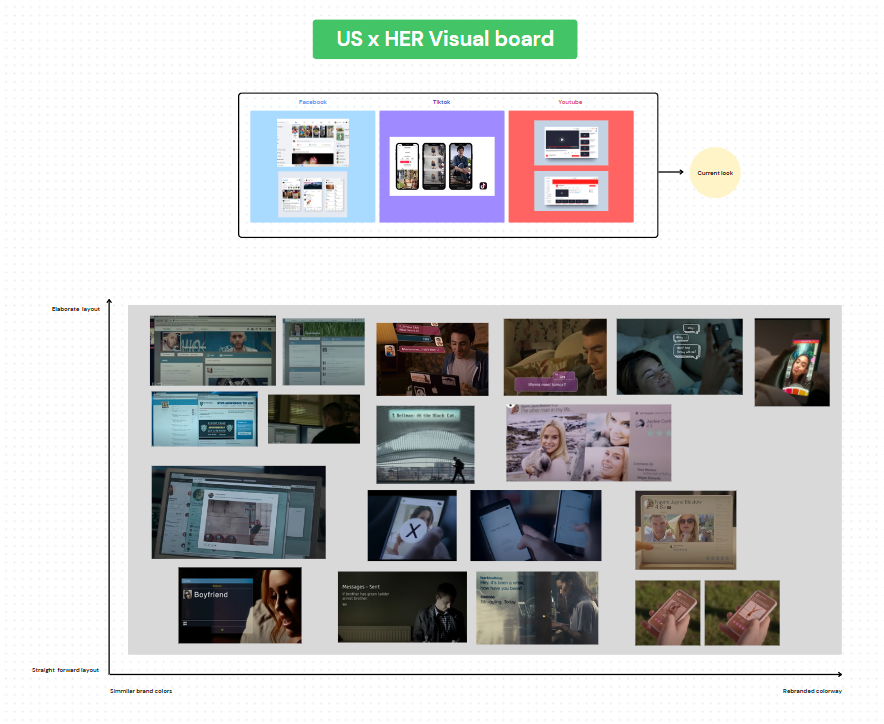
The visual direction combined warm cinematic imagery with the recognizable rhythm of social platforms: profile structures, message behavior, interface framing, typography, and screen-based information hierarchy. Rather than copying a single platform literally, the system borrowed familiar digital cues and rebuilt them into a visual language that belonged to US x HER.
The Motion Language
Motion was designed around communication rather than decoration. Interface elements needed to enter, react, and resolve with the timing of the edit so they felt connected to what the characters were experiencing. Transitions were kept purposeful, while denser moments used layered movement to suggest the pressure and speed of online interaction.
Motion principle: Appear → Connect → React → Resolve.
VFX Integration
The VFX work was approached as part of the same visual system rather than as isolated shot fixes. Placement, perspective, timing, and graphic density were reviewed against the edit so each effect felt embedded in the scene and supported the intended story beat.
Subtitle System
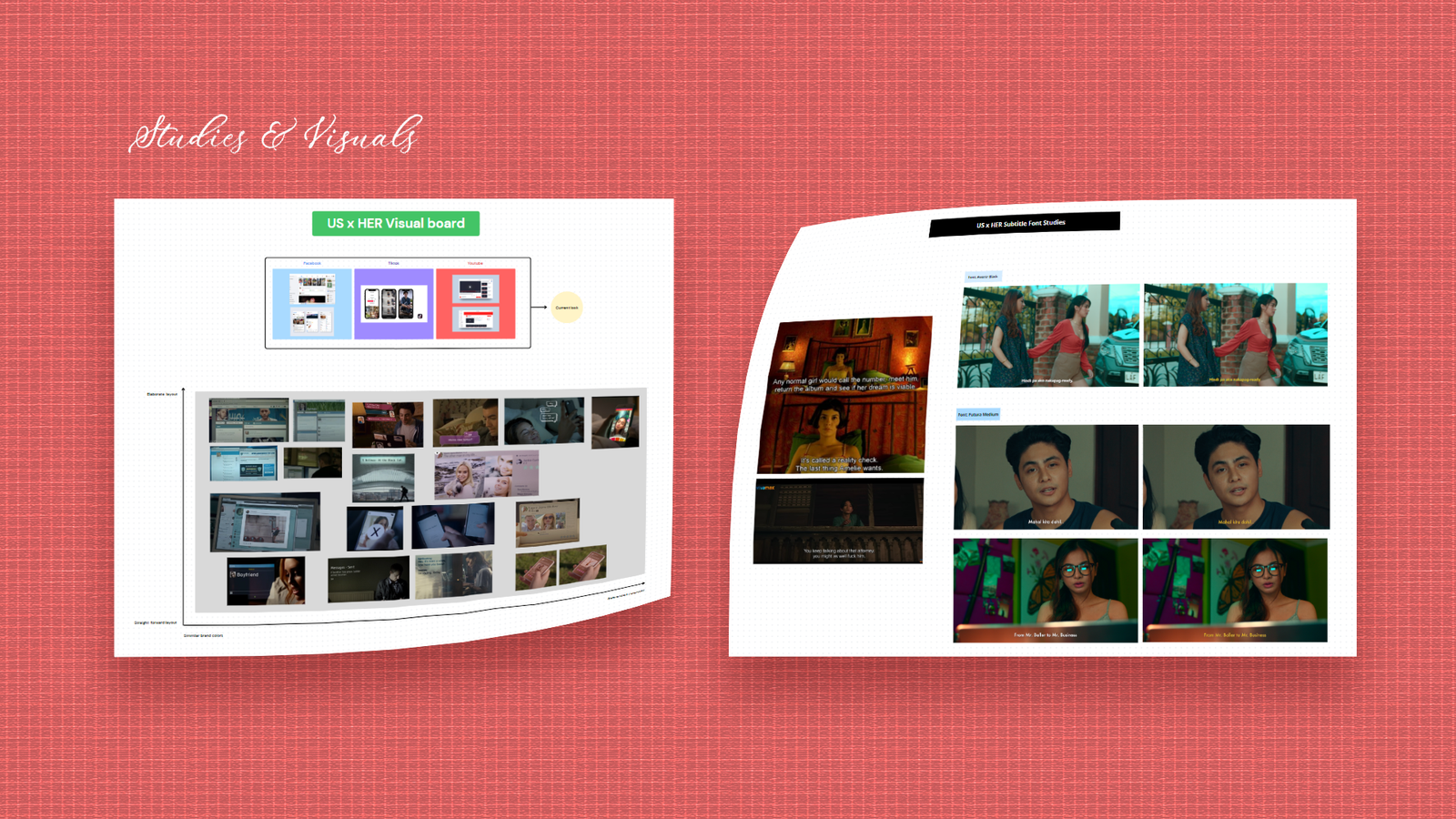
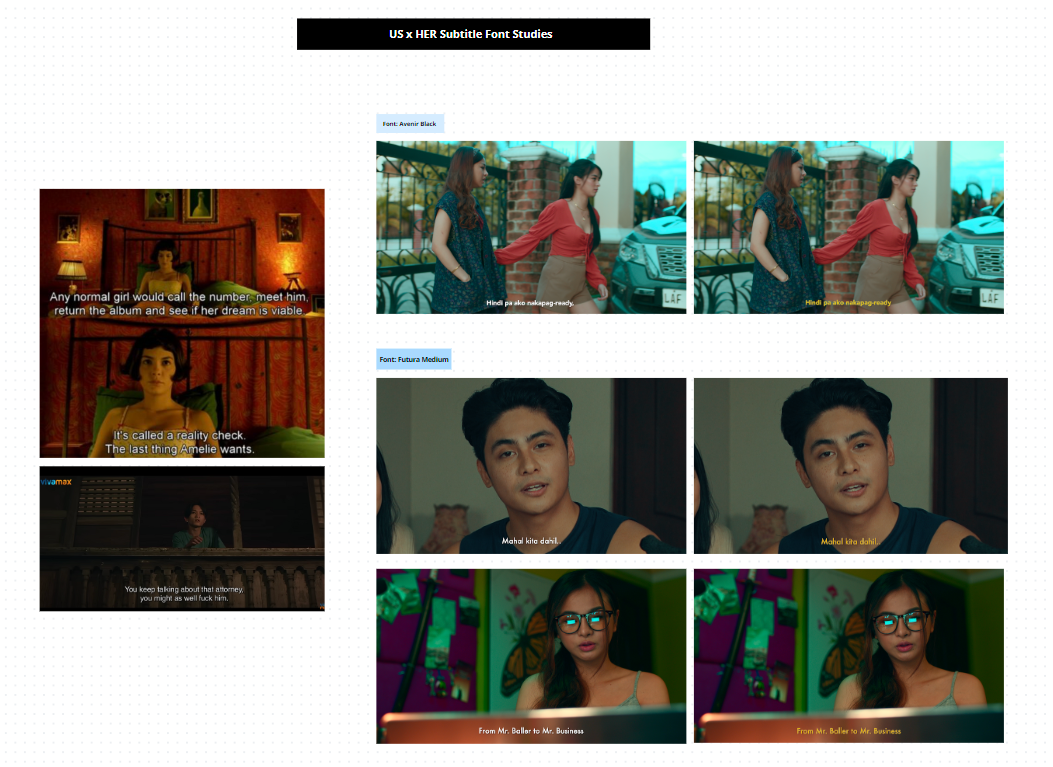
Subtitles were treated as a design system, not an afterthought. Font weight, color, contrast, placement, and scene brightness were compared across multiple frames so dialogue could remain consistently readable while still feeling visually connected to the film.
Designing the Production System
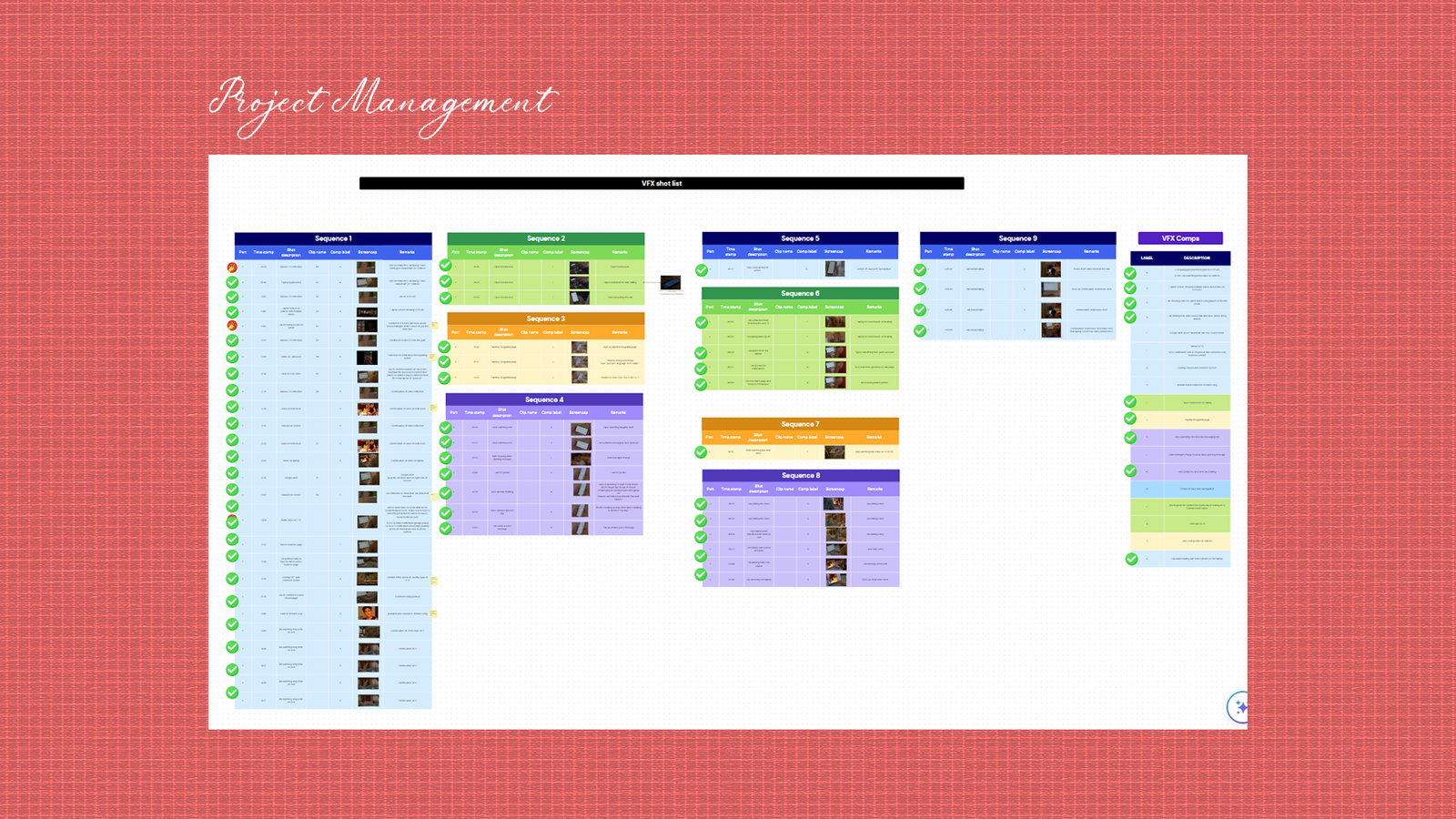
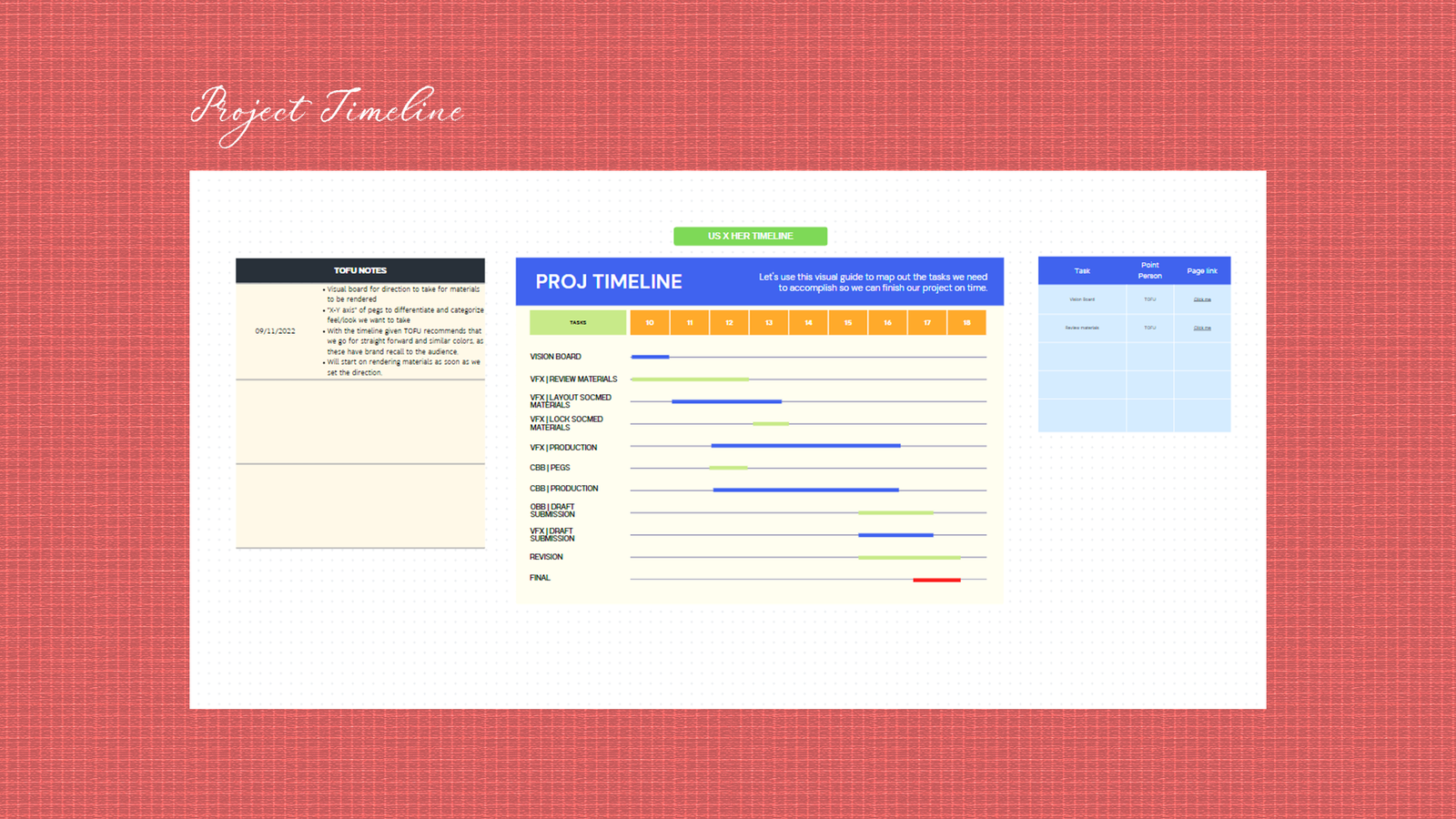
Because editorial, motion graphics, subtitles, and VFX were developing together, the workflow also needed a clear review system. Shot lists, visual boards, and timeline planning helped connect creative decisions to production status, making it easier to track revisions without losing consistency between disciplines.
Bringing the System Together
The final teaser became the test of the entire approach. Editorial pacing, social-interface graphics, VFX, subtitle behavior, and cinematic imagery all needed to feel like parts of one visual language rather than separate layers added during post-production.
Outcome
The finished package gave US x HER a unified post-production language. Social graphics, subtitles, VFX, and editorial no longer behaved like four separate layers; they worked together as one system designed around the film's emotional tone. The project demonstrates how motion direction and post-production design can shape not only individual shots, but the consistency of an entire viewing experience.
One story. One digital language. One connected post-production system.